




Registration is now open for our upcoming annual conference, happening October 20 & 21. Early bird rates in effect until July 15! Click for more information.
Read more >
Registration is now open for our upcoming annual conference, happening October 20 & 21. Early bird rates in effect until July 15! Click for more information.
Read more >
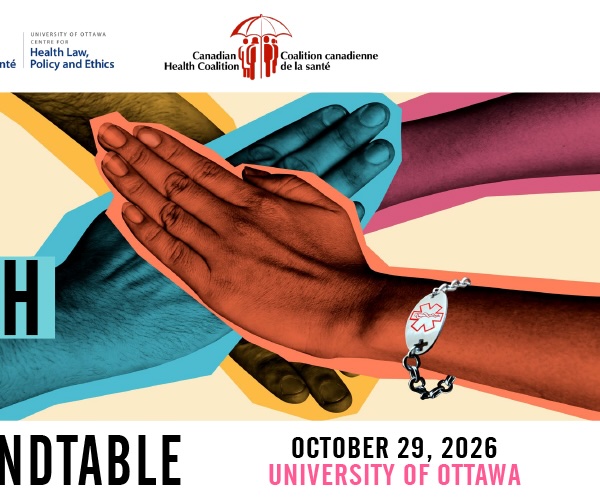
Hosted by the Canadian Health Coalition and the University of Ottawa Centre for Health Law, Policy and Ethics

With Professor Benjamin Mason Meier, visiting Fulbright scholar from Gillings School of Global Public Health, University of North Carolina at Chapel Hill (USA).

Une docu-formation qui allie la force du documentaire à la rigueur de la formation. Au programme : une expérience immersive autour du témoignage d'une personne hospitalisée et traitée contre son gré, et des échanges avec des personnes issues des milieux de la recherche, de la santé et du droit.
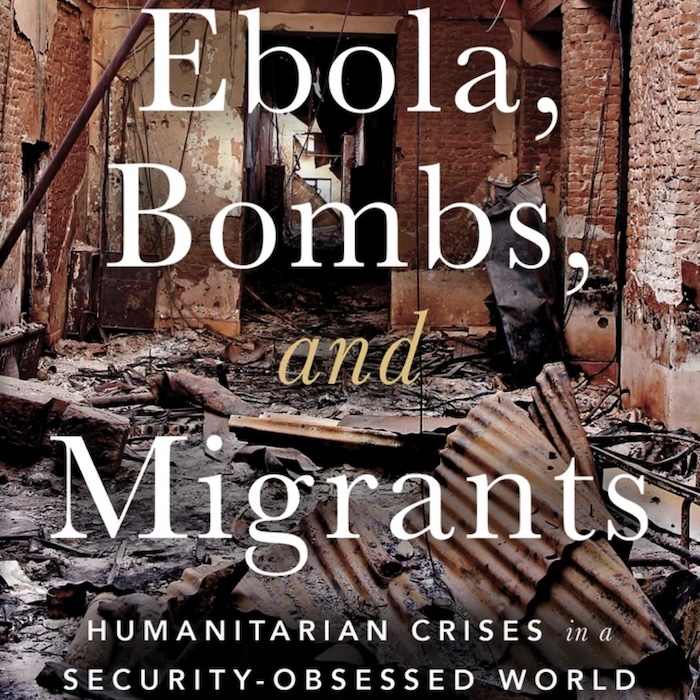
With Dr. Joanne Liu, Former International President, Médecins Sans Frontières.
Hosted by the Canadian Health Workforce Network
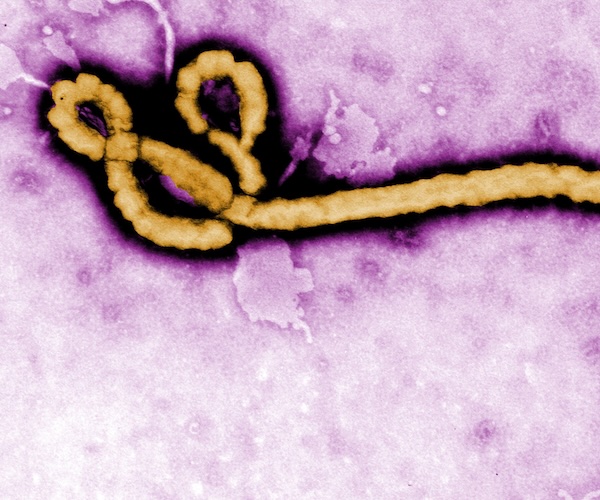

Canadian humanitarian aid workers say their ability to respond to the Ebola outbreak in the Democratic Republic of Congo has been stifled by the country’s long quarantine period, forcing some to stay home or cut their deployments short. They say an extension of the mandatory 21-day quarantine for Canadians and permanent residents returning from the DRC, Uganda or South Sudan could be detrimental to the outbreak response. The World Health Organization has said this is the fastest-growing Ebola outbreak in history, on track to be the deadliest, with Africa’s top public health agency reporting more than 2,500 deaths out of more than 5,000 infections. CHLPE's Adam Houston and Roojin Habibi contribute.
See also As Congo’s Ebola outbreak worsens, Ottawa faces criticism for stepping back (Adam Houston contributing). Globe & Mail >
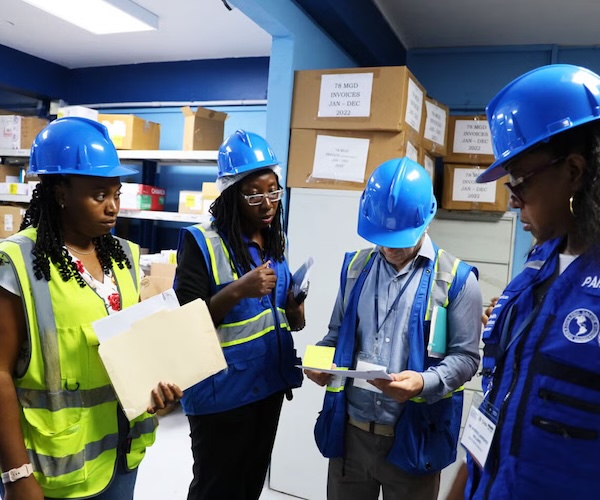
CHLPE's Roojin Habibi was part of a Pan American Health Organization (PAHO) mission to Haiti this September. Jamaica faces a range of endemic and cross-border public health threats, with high levels of international travel adding to the complexity of protecting its population. To support Jamaica’s continued efforts to strengthen preparedness, an international team of experts undertook a Voluntary External Evaluation (VEE) under the International Health Regulations (IHR). The evaluation provides an independent and collaborative review of the country’s capacities to prevent, detect, and respond to public health threats. Its recommendations will help identify priority areas for investment and improvement while strengthening coordination across Jamaican government and supporting Jamaica’s efforts to build a more resilient and prepared health system.
More >
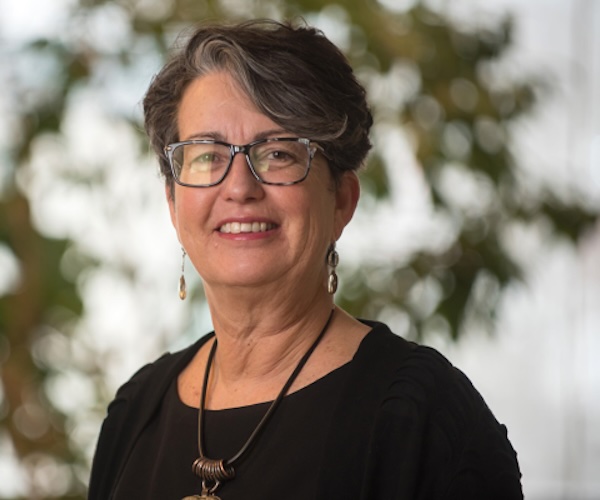
The Faculty of Law is excited to welcome postdoctoral researcher Michele Leering, who will undertake a two-year program focused on evolving legal education to address complex societal challenges. With CHLPE in particular Michele will work on "health justice partnerships", collaborations between healthcare providers and legal providers to address health problems where legal issues are a factor—for example, unsafe housing, access to benefits, immigration status, domestic violence, and more. She will also collaborate with CHLPE on developing experiential learning opportunities for our law students. Previously Michele was a visiting scholar at Queen’s University Faculty of Law after graduating with a Ph.D. from there in 2023. She served for almost four decades as a lawyer and the Executive Director of the Community Advocacy & Legal Centre, a non-profit community legal clinic in Belleville. Over her career she has been involved with the Canadian Bar Association’s Access to Justice Committee, the International Legal Aid Group, the Open Society Justice Initiative, Ukraine’s International Renaissance Foundation, and Namati. In 2022 she was inducted as a Member of the Order of Canada for her work on access to justice.

CHLPE's Audrey Ferron Parayre is beginning a new chapter as Associate Professor of Law at the Université de Montréal. Audrey began her career in the Civil Law section at the University of Ottawa and has been a member of CHLPE since its inception. During her time with us Audrey has advanced the field of law and policy dealing with obstetric-gynecological violence (OGV)—acts, words, or omissions occurring during obstetric or gynecological care that are perceived by patients as disrespectful, discriminatory, or are associated with mistreatment. Audrey completed her doctorate in Law at UdeM, focussing on the legal framework governing consent in healthcare in Quebec. She showed that it penalizes only a tiny proportion of undisclosed risks and incentivizes physicians to minimize their own legal risk rather than provide their patients with complete information. During this work she noticed that a significant proportion of legal disputes arose in the particular context of childbirth. There case law and empirical research showed that physicians calibrate their approach based on legal risk associated with the baby’s condition rather than the mother’s consent. Audrey's ongoing focus on OGV stemmed from that point...
More >

Professor Colleen Flood, inaugural Director of CHLPE and presently Dean of Law at Queen's University, has received an honorary doctorate in Law from Université Sherbrooke. Colleen has built a reputation for drawing attention to law’s role in the broad relationships within health systems. Her research has informed national and global debates over public healthcare versus privatization, healthcare system design, accountability, and governance, as well as the role of courts and the law in health rights. More recently her research has also focused on artificial intelligence in healthcare, particularly the role of law in regulating AI-enabled medical devices and other technologies. Our congratulations to Colleen!
More >

CHLPE's Raywat Deonandan has won the 2025 Guyana Prize in Literature for his recently released book, A Memory of Flowers and Coconut: A Collection of Short Stories. Said the jurors: “This is a technically accomplished collection of twelve short stories, set both ‘at home’ and in the diasporas, that explore various aspects of Indo-Guyanese cultures, histories and heritage. The stylish, measured prose is wry, sardonic and thoughtful; at his best Deonandan demonstrates a mature understanding of what short fiction can do."

Sign up for event notification and newsletter emails
Find us on...




